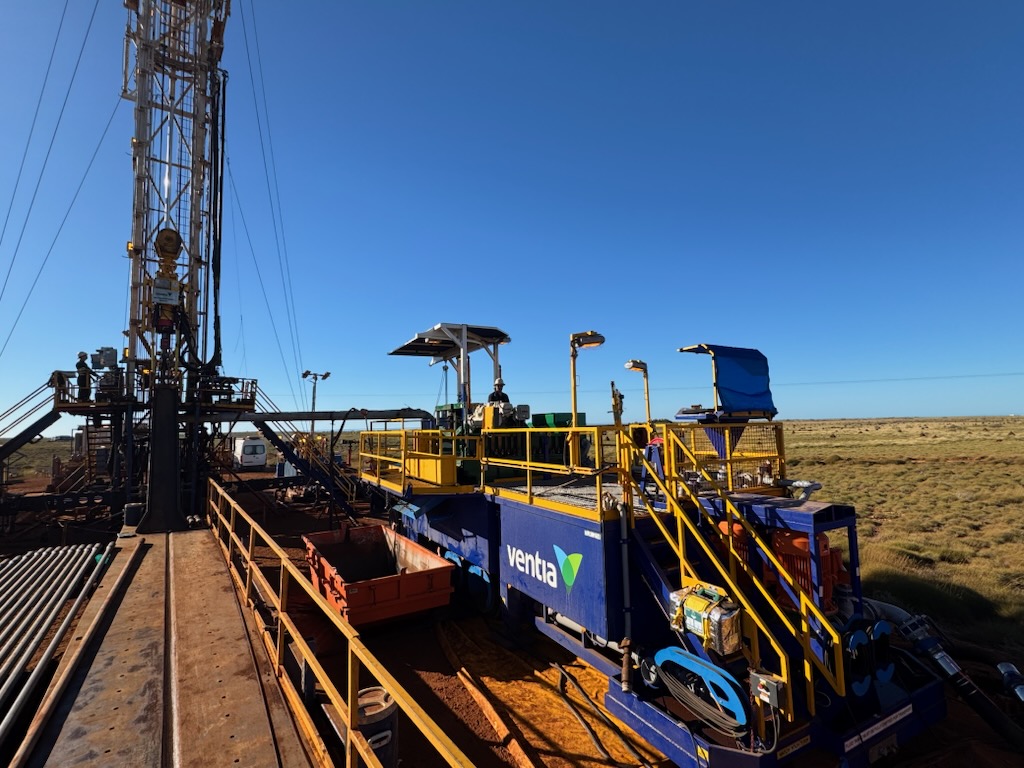
As Australia’s onshore oil and gas sector moves toward a prolonged phase of decommissioning, operators will face increasingly complex technical and operational challenges.  

In this environment, safe delivery, technical capability and innovation will increasingly define project success. 

Among the challenges presented through decommissioning campaigns is on‑site fluid management during plug and abandonment (P&A) programs, particularly for projects operating in remote and logistically constrained locations. 
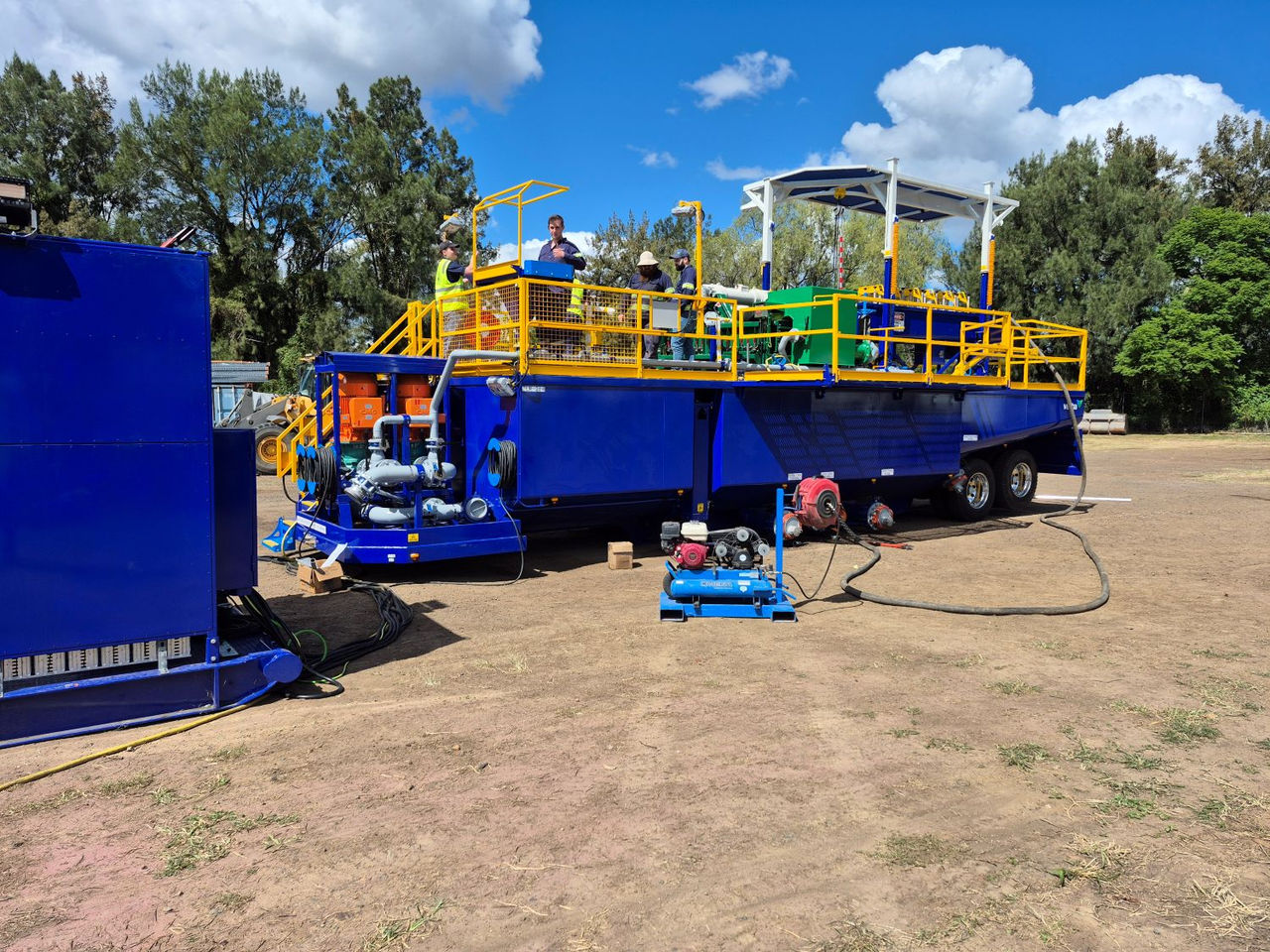
During P&A campaigns, existing well casings are machined out to enable permanent cement plugs to be installed. That process generates large volumes of steel swarf, including long metal “pigtails”, which return to surface suspended within the fluids. Managing that mix safely and efficiently is an ongoing challenge. 

“From a solids control perspective, P&A is very different to drilling,” says Richard Gurney, Principal Mechanical Plant Engineer at Ventia Engineering Services. “You’re not just dealing with small cuttings; you’re also dealing with unpredictable quantities of heavy metallic waste coming back in the fluid stream.” 

Traditionally, swarf handling has relied on multiple standalone systems: magnet troughs, shaker/separators and mud tanks spread across different skids and connected by temporary flowlines and pipework. While workable, that setup increases complexity, manual handling and setup time, and reduces efficiency — issues that are magnified in highly constrained environments.

We brought together existing components and concepts and integrated them into one cohesive unit using innovative engineering.

A mobile, integrated approach 

To respond to these challenges, Ventia has developed a bespoke fluid and swarf processing trailer designed specifically for P&A operations. Ventia’s newest unit brings swarf handling, solids separation and fluid management together in a single mobile system. 

“There’s nothing available off the shelf that does this,” Richard says. “So, we brought together existing components and concepts and integrated them into one cohesive unit using innovative engineering.”  

The work was carried out by Ventia’s internal engineering team, who bring extensive experience across oil and gas having designed and built multiple rig packages, pipe handling solutions, transport gear and fluid processing trailers.  

“When everything is designed together — the chassis, tanks and flow paths — you can integrate the system in far more efficient ways,” he says. “That improves safety, simplifies operation, reduces site complexity and minimises overall environmental impact,” he said.  

Designed for remote decommissioning 

The trailers were developed for the Barrow Island decommissioning program, where strict environmental controls, the remote location and logistics place a premium on compact, self‑contained equipment. 

“When you’re working somewhere like Barrow Island, effective mobility is critical. There is limited access, and because Barrow is a Class A Nature Reserve, minimising impact is extremely important.” Richard says. “You need equipment that can be mobilised quickly and operate with a small footprint rather than stitching together half a dozen separate systems.” 

“Good engineering and creative design are critical in applications like this. Australia has a lot of engineering expertise; moving into the future we will need to grow and utilise that experience even more.” 

Talk to Ventia today about solving your challenges.