Water infrastructure sits at the centre of some of the biggest challenges facing local governments. These include ageing assets, populations changes, evolving regulations and rising cost pressures.  

In this environment, service providers must partner with councils to play their role in helping to ensure that services continue to be delivered at the level expected by our communities by applying smarter ways to manage essential infrastructure.

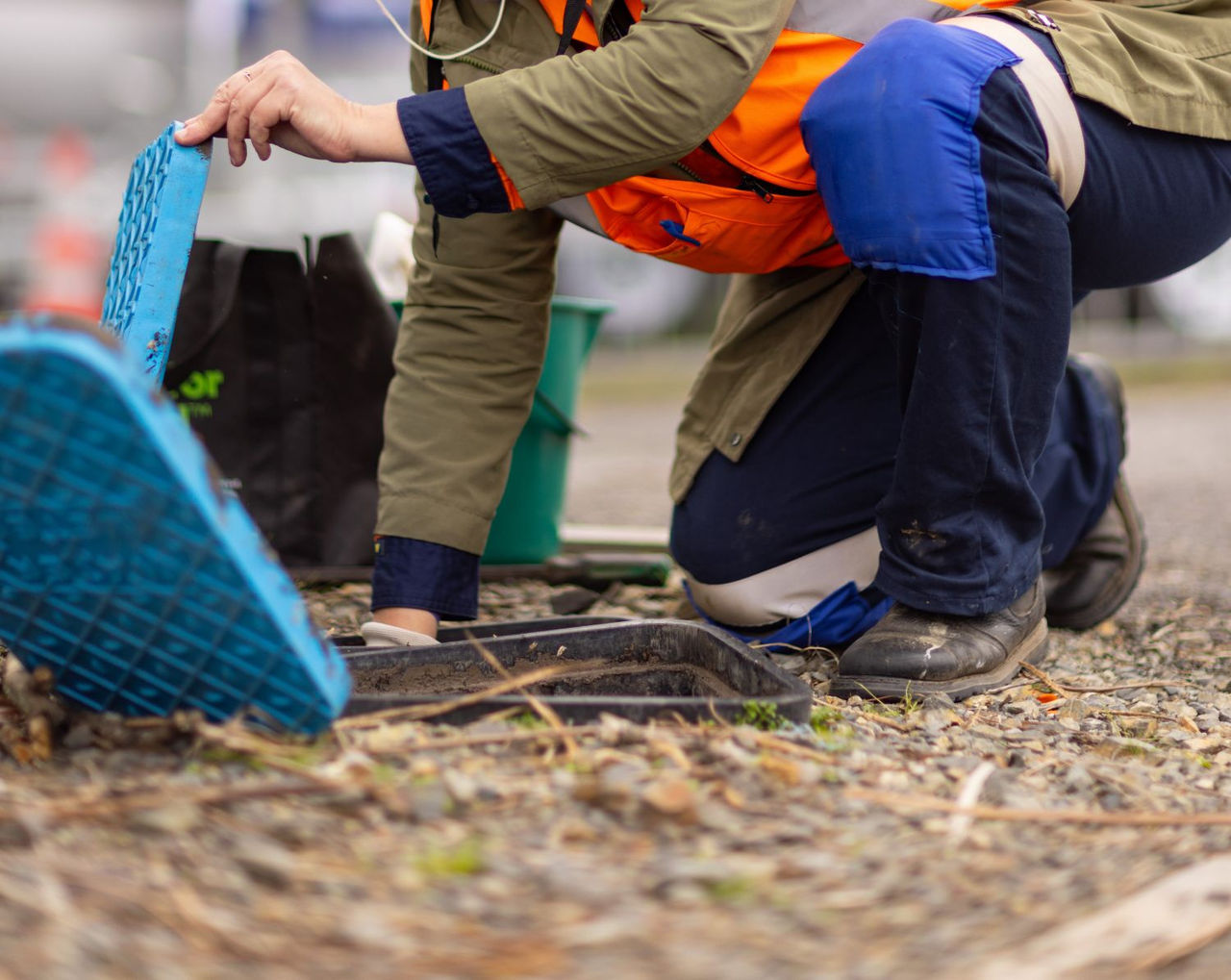
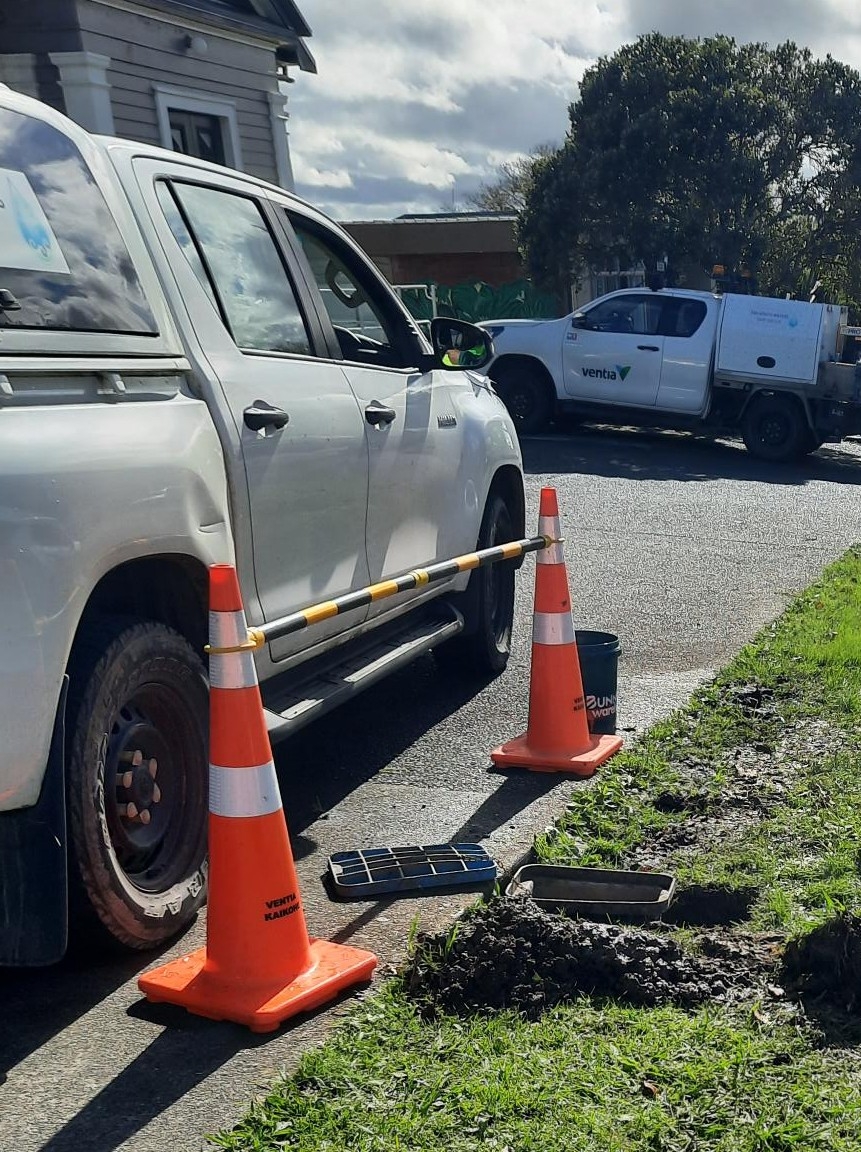
In Northland, Ventia and Far North District Council (FNDC) are partnering with technology provider Neura to trial a smart metering program that could help shape water management across the region. The pilot has seen 275 smart water meters installed in the township of Rawene, providing valuable insights into water consumption, network performance and customer service improvements.  
Supporting councils through change

Unlike traditional mechanical water meters, smart meters automatically collect and transmit consumption data, eliminating manual meter reads and providing a deeper understanding of network performance. This enables councils to identify leaks earlier, improve demand forecasting, strengthen water balance calculations and better manage water losses.

Smart metering provides greater transparency around water usage and billing, while also enabling earlier notification of leaks and unusual consumption patterns before significant costs are incurred. 

A practical solution for the Far North

As part of the Rawene pilot, existing mechanical water meters have been replaced with ARAD LR9 D smart water meters supplied by Neura. Designed with an expected operational lifespan of 10 to 15 years, the meters continuously record water consumption and transmit data remotely through a LoRaWAN-compatible communications platform.

Ventia managed the installation program, including customer engagement, meter replacement, quality assurance and digital reporting.

Beyond remote meter reading, the technology enables faster identification of customer-side leaks, continuous flow events, reverse flow conditions and potential tampering. The result is a more informed approach to water management, supporting both operational performance and customer service outcomes. 

Addressing issues early

The network is uncovering leaks that may have previously gone unnoticed for months, with leaks being detected by meters within the first week of the pilot.

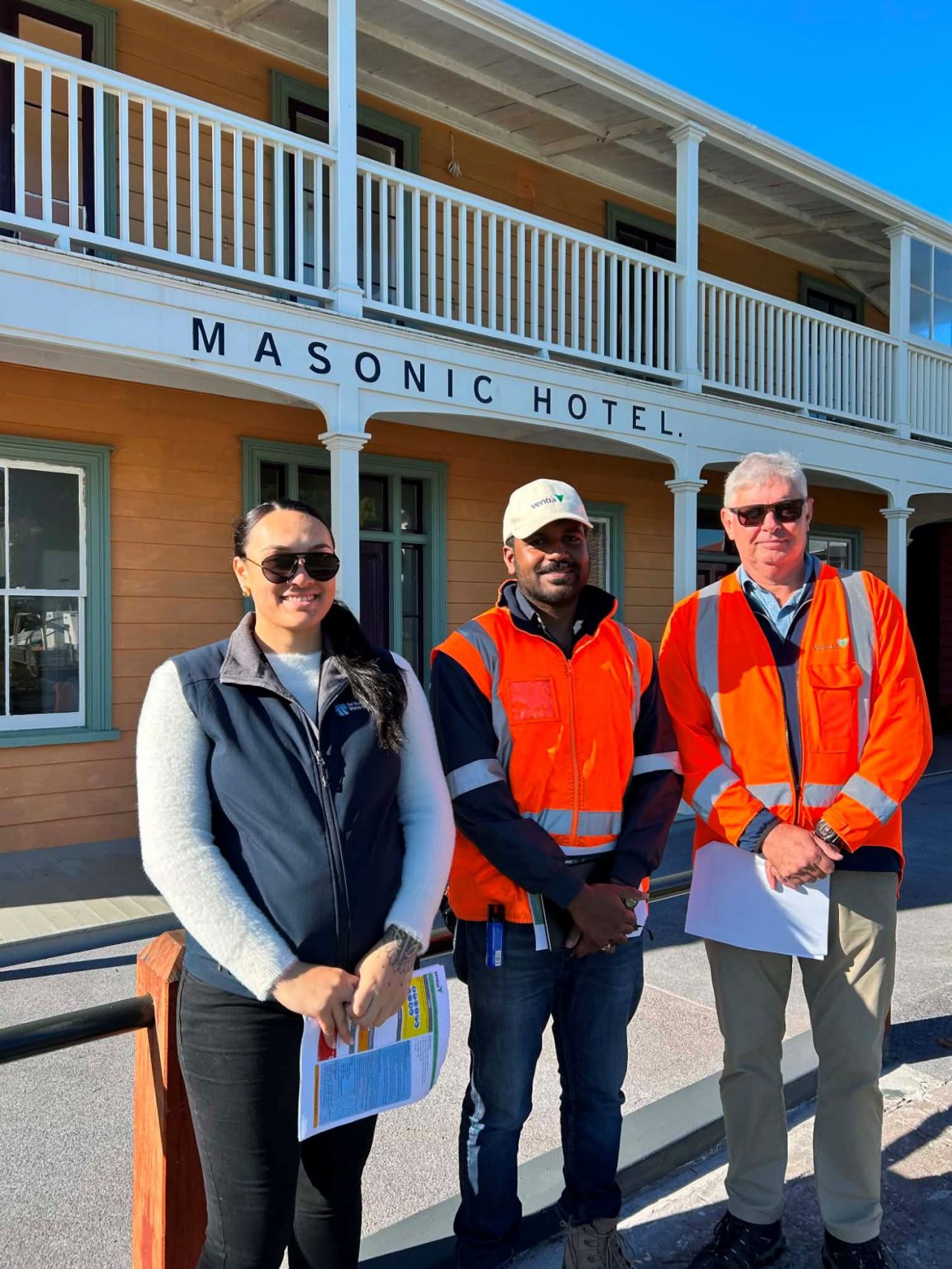
"One of the most practical benefits is the ability to identify potential leaks and unusual consumption patterns much sooner than traditional approaches allow," says Stephen Toneycliffe, Contract Manager at Ventia.

The earlier these issues are detected, the easier they are to address before they become larger operational or customer challenges.

Built on decades of experience in Northland

While the technology itself is innovative, the success of programs like this relies heavily on local knowledge, trusted partnerships and proven delivery capability.

Ventia has been delivering infrastructure services across Northland for more than 30 years and is a long-term partner of Far North District Council. Today, Ventia teams operate and maintain 17 wastewater treatment plants, nine water treatment plants, urban stormwater infrastructure and approximately 750 kilometres of pipeline infrastructure across the Far North. 

The region represents one of New Zealand's more complex service delivery environments, requiring close collaboration between councils, communities and service providers. Ventia's experience working within these environments has helped establish a strong understanding of the considerations that underpin successful infrastructure delivery. 

"This project is a good example of what can be achieved when councils, technology providers and service partners work closely together," said Rajaram Krishnapandi, Ventia Project Manager. 

Our teams are always keen to explore new approaches, and we're pleased to be undertaking this trial and helping turn data into operational insights.