Confined space entry remains one of the water industries’ persistent and high-risk activities.  

At Birts Hill, in regional Melbourne, the team undertaking a recent tank refurbishment project explored whether that assumption could be challenged. Rather than designing controls around confined space work, the project team asked a different question: what if entry could be avoided altogether?
Traditionally, tank refurbishment relies on confined space entry through small access hatches, typically less than 900mm in diameter. This exposes workers to well-known hazards: restricted airflow, limited mobility, and elevated rescue complexity, all managed through detailed permits, standby personnel and specialised controls.

 The Ventia tank inspection and maintenance team, led by project engineer Ruslan Mavlianiv, in collaboration with Yarra Valley Water, set out to reduce the need for confined space entry where possible. 

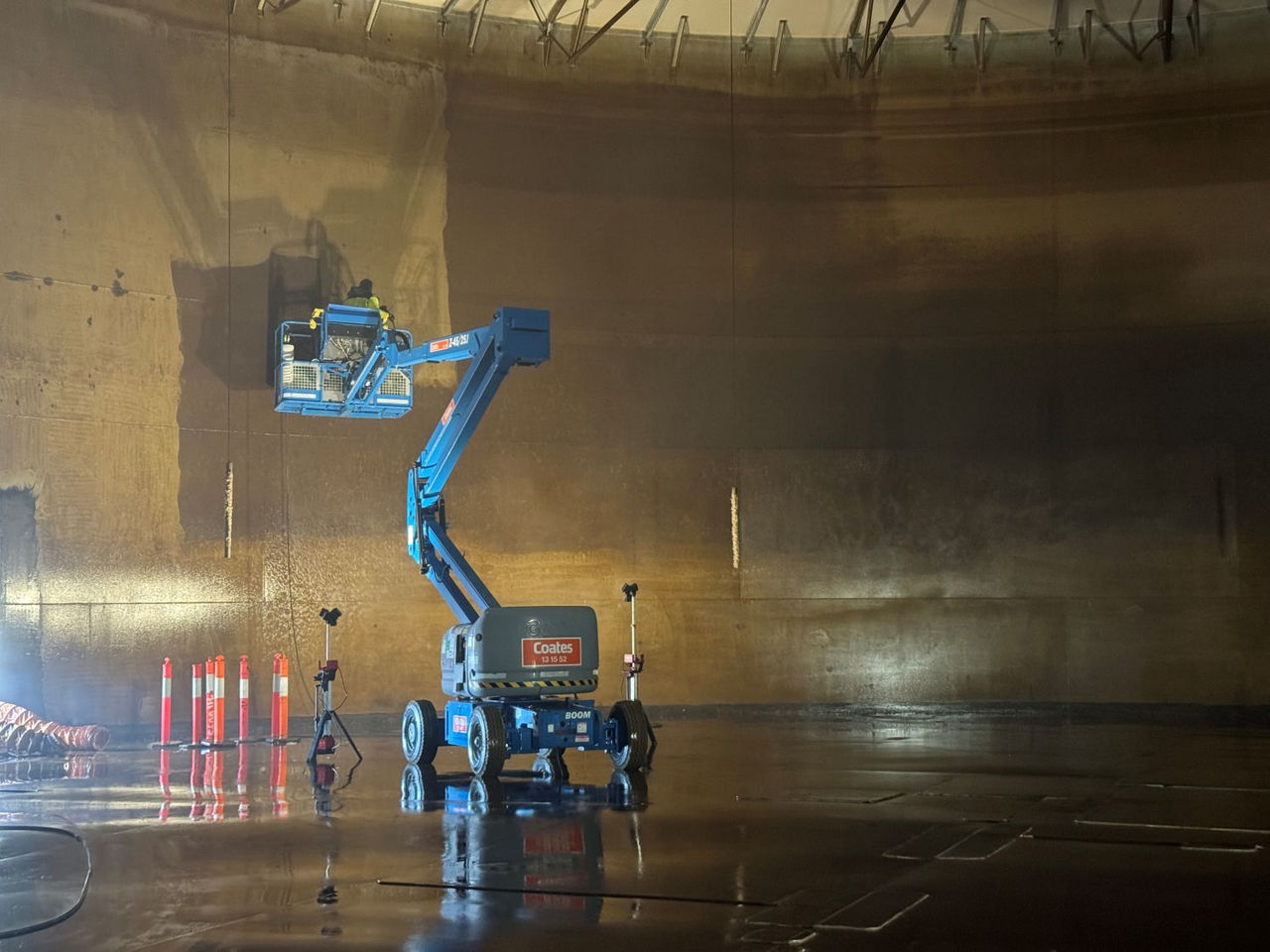
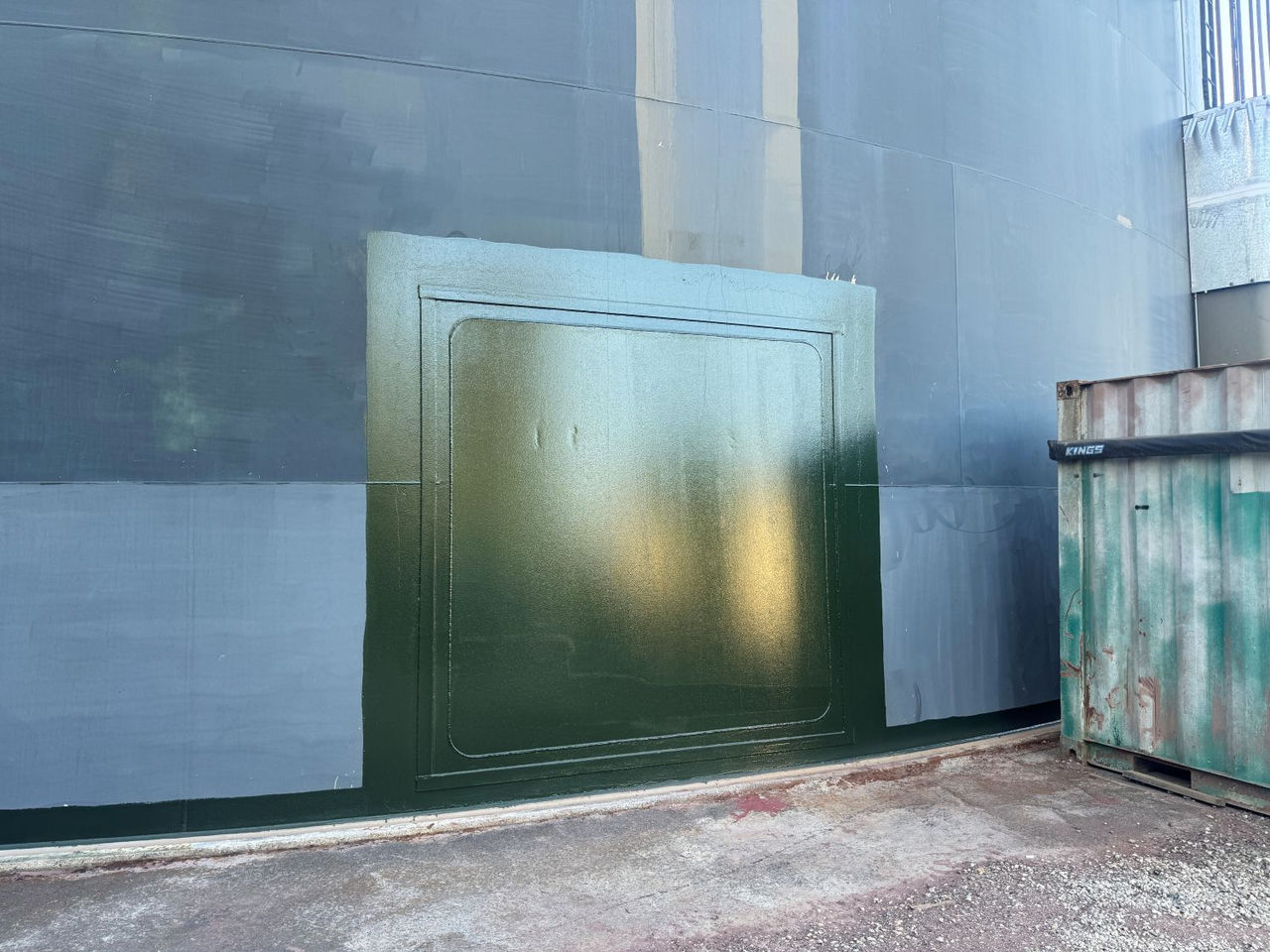
During the most recent refurbishment program, the team designed and executed an alternative access method — cutting a large opening in the side of the welded steel tank. This significantly reduced the need for confined space entry, enabling work to be performed without exposing personnel to the inherent risks of enclosed environments.

 “It unlocked new ways of working,” said Ruslan. 

It allowed fit-for-purpose equipment to be used inside the tank, including elevated work platforms and robotic systems to remove coatings. In doing so, the team reduced reliance on traditional scaffolding and high-pressure water blasting, helping to reduce both safety exposure and project complexity.

The concept required careful development. Ventia worked closely with Yarra Valley Water to address initial concerns, supported by specialist contractors, engineers and inspectors who helped refine the design, validate the approach and oversee the cut-and-reweld process.

 The outcome is a practical example of applying the highest level of the hierarchy of controls — elimination. With the success of the Birts Hill trial, the approach is now being considered for broader use across similar tank assets, offering a safer, more efficient model for future maintenance programs.