Engineering decisions shape the safety and reliability of the infrastructure we all depend on. Buildings, roads, water, energy systems and industrial facilities are all critical infrastructure underpinned by engineering.   

Yet in Australia, the rules about who must be registered to practise as a professional engineer still vary by state. That inconsistency creates confusion, extra cost and (most importantly) unnecessary safety risk.

A driver’s licence is issued by a state, but it lets you drive anywhere in Australia. You don’t re‑apply at every border.

Engineering should work the same way: a nationally consistent system where engineers can register once and practise anywhere, with consistent minimum standards and clear recognition across jurisdictions.
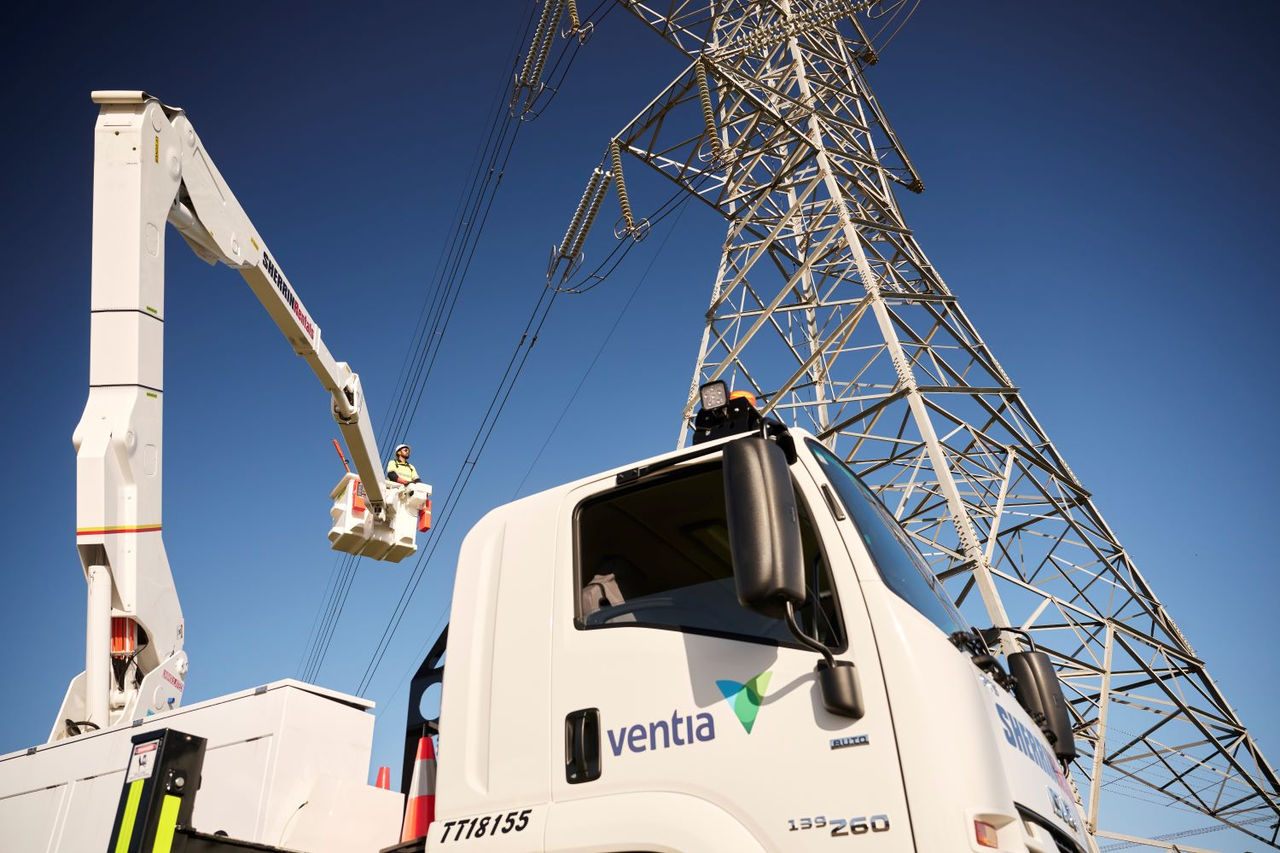

Ventia’s engineering team support power transmission and distribution work across the country, including in WA as pictured here

What is engineering registration?

Engineering registration plays an important part in ensuring professional accountability and public safety of engineering work. Given the criticality and impact of failure of many engineering projects, it’s easy to see why this is necessary.

It is a regulated way to confirm that a person offering professional engineering services is qualified, competent, accountable and meeting the professional standards necessary for them to be able to safely and effectively undertake engineering work.

A nationally consistent approach would reduce duplication and make regulation clearer and more effective

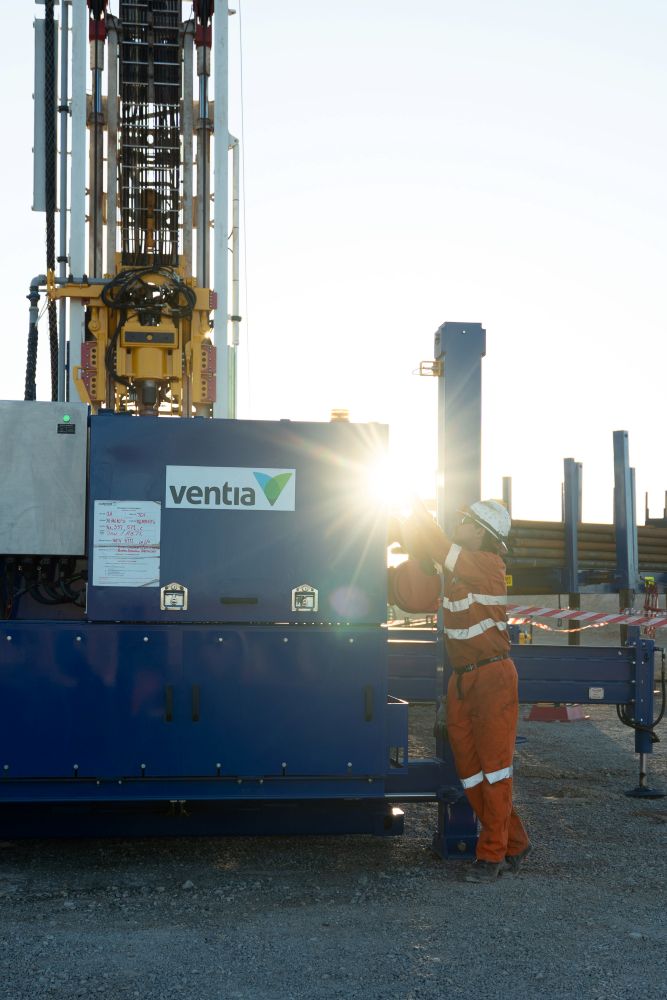
Ventia’s engineering team support Rig and Well works across the country, shown here in operation at Olympic Dam in SA

What’s the problem with the current system?

Right now, Australia has a patchwork of registration schemes. Queensland and Victoria, have comprehensive schemes, while South Australia don’t have a scheme at all. Other states have schemes that only cover certain activities or industries.

For anyone working across borders, this inconsistency becomes a practical problem: different requirements, different processes, and sometimes multiple registrations to do essentially the same work.

Why it matters: the real‑world impacts

For businesses
Engineering companies that work across Australia, as Ventia does, must deal with different rules in each state. That means more administration, higher compliance costs, and less flexibility to move skilled people where they are needed. These costs and limitations add no value to projects and ultimately affect productivity and competitiveness.

For individual engineers
Engineers can be unsure whether they need to be registered, where they need to be registered, and whether their registration will be recognised when they work interstate. Multiple applications and fees create frustration and unnecessary expense, particularly for engineers early in their careers.

For the public
Where registration requirements are inconsistent or limited in scope, there is a greater risk that engineering work is carried out without clear accountability. Consistent registration helps ensure that people calling themselves engineers are properly qualified, competent and subject to professional standards.

For governments and regulators
Running multiple, overlapping schemes increases administration and makes coordination harder. A consistent national approach would reduce duplication, lower costs, and make regulation clearer and more effective.

Engineering decisions shape the safety and reliability of the infrastructure we all depend on

What solutions are being pursued?

The cleanest solution is a single national scheme: one set of rules, one standard, and one registration that works across the country. Engineers Australia and other peak bodies formally called on the Australian Government to introduce a national scheme in late 2025, arguing it would cut red tape, boost productivity and strengthen public safety.

There are constitutional barriers to a national solution though. A state-based solution, although more complex, could still achieve the same outcome though alignment of state registration schemes and introduction of Automatic Mutual Recognition, meaning an engineer registered in one jurisdiction would be recognised in another without needing to specifically register there (exactly how a driver’s licence works).

Ventia’s engineering team support road work across the country, including the Sydney Harbour Tunnel in NSW

Ventia’s role: constructive industry leadership

Ventia have actively participated in Parliament roundtables convened by Engineers Australia to help policymakers understand how the current inconsistent registration approach affects businesses, individuals, the public and governments.

It is clear that working together across state boundaries, across industries, and with governments is necessary if we are to reform the current approach into something that will bring benefit to all.

A nationally consistent approach will remove complexity and barriers to engineering work, improving productivity and mobility, reducing public and private costs, and ensure that the same high standards are applied to engineering regardless of where it is undertaken, safeguarding our communities.


More about James