Australia's energy transition is often measured in gigawatts of clean energy, kilometres of transmission lines and renewable energy zones. Yet beneath every new customer connection, pole change, substation upgrade, grid connection and transmission project lies something equally critical: people.  

Workforce availability remains one of the defining constraints facing the industry.

"The industry has a clear vision for where it needs to go," says Agathe Gross, Executive General Manager Energy Networks and Renewables at Ventia.
The question is increasingly how we ensure we have the workforce, capability and delivery models needed to get there.

Ventia's energy networks operate across Australia and New Zealand and the team continues to invest in apprenticeships, training programs and capability development to grow the future workforce.

Workforce constraints are biggest delivery risk

Australia’s energy transition is not just an infrastructure challenge—it is a workforce challenge. Shortages of skilled electrical workers, technicians and field resources are limiting the ability to deliver renewable and transmission projects at scale, particularly in regional areas.

Early workforce planning critical to project success

Integrating workforce strategy into early project design helps improve certainty, reduce risk and enable more efficient delivery. Aligning engineering, delivery models and workforce availability from the outset leads to stronger outcomes across complex energy projects.

A multi-pronged approach needed to close the gap

No single solution will solve workforce shortages. Ventia’s approach focuses on four key levers - Build, Buy, Borrow and Bot - combining training, acquisitions, cross-industry talent and technology to strengthen capability and productivity.


The challenge behind the opportunity

Australia and New Zealand’s transmission network is being rewired, Renewable Energy Zones are being developed, and battery energy storage systems (BESS) are connecting at scale. 

Across the sector, organisations are competing for electrical tradespeople, commissioning specialists, high-voltage technicians, supervisors and experienced field resources capable of delivering increasingly complex programs of work.

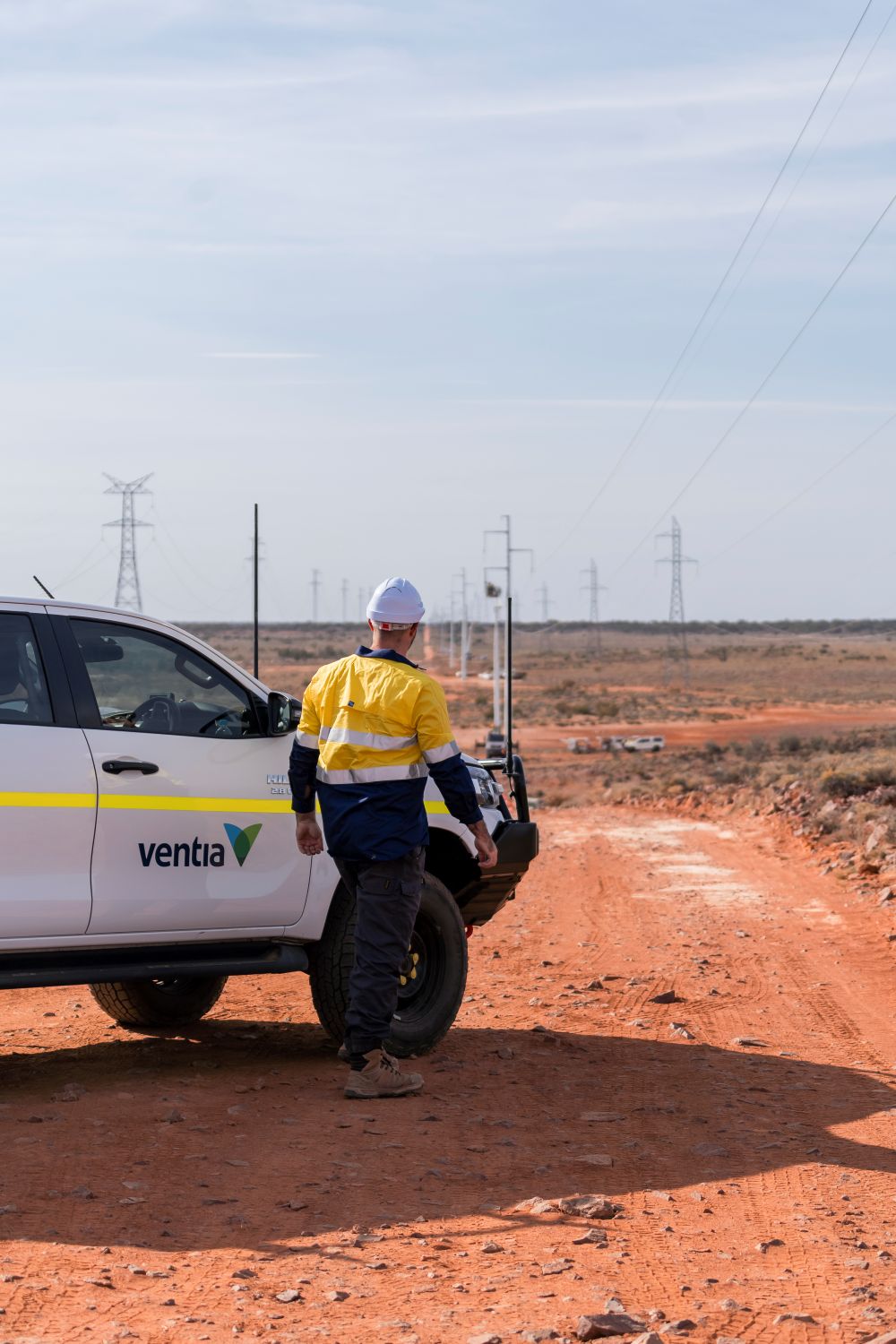
The challenge becomes even more acute in regional and remote areas, where many renewable generation and transmission projects are located.

"There is undoubtedly an upcoming shortage of electrical workers, and we expect this will worsen as distribution, transmission and renewable projects continue to accelerate across Australia," Agathe says.

This isn't simply a recruitment challenge. It's a delivery challenge that requires long-term thinking from across the industry.

The introduction of Australian Substations team via acquisition of PowerNet in 2025 strengthened Ventia's specialist substation and high-voltage capabilities.

Why workforce planning must start earlier

The desire for greater cost certainty, stronger accountability and more predictable delivery outcomes across the industry means that workforce planning must increasingly be a key part of early project design. 

"The best outcomes happen when workforce strategy, delivery planning and engineering decisions are considered together," Agathe says.

When we engage early with customers, we can help identify potential constraints, sequence work differently and create greater certainty around delivery.

Building workforce resilience: The “Four B's”

At Ventia, addressing workforce constraints requires a balanced approach. No single solution will close the gap.

Instead, the business focuses on four workforce levers: Build, Buy, Borrow and Bot.

"Solving the workforce challenge isn't about finding one answer," Agathe says.

"We need to grow capability, attract talent from new areas and use technology to help people work smarter.”

Build: Growing the next generation

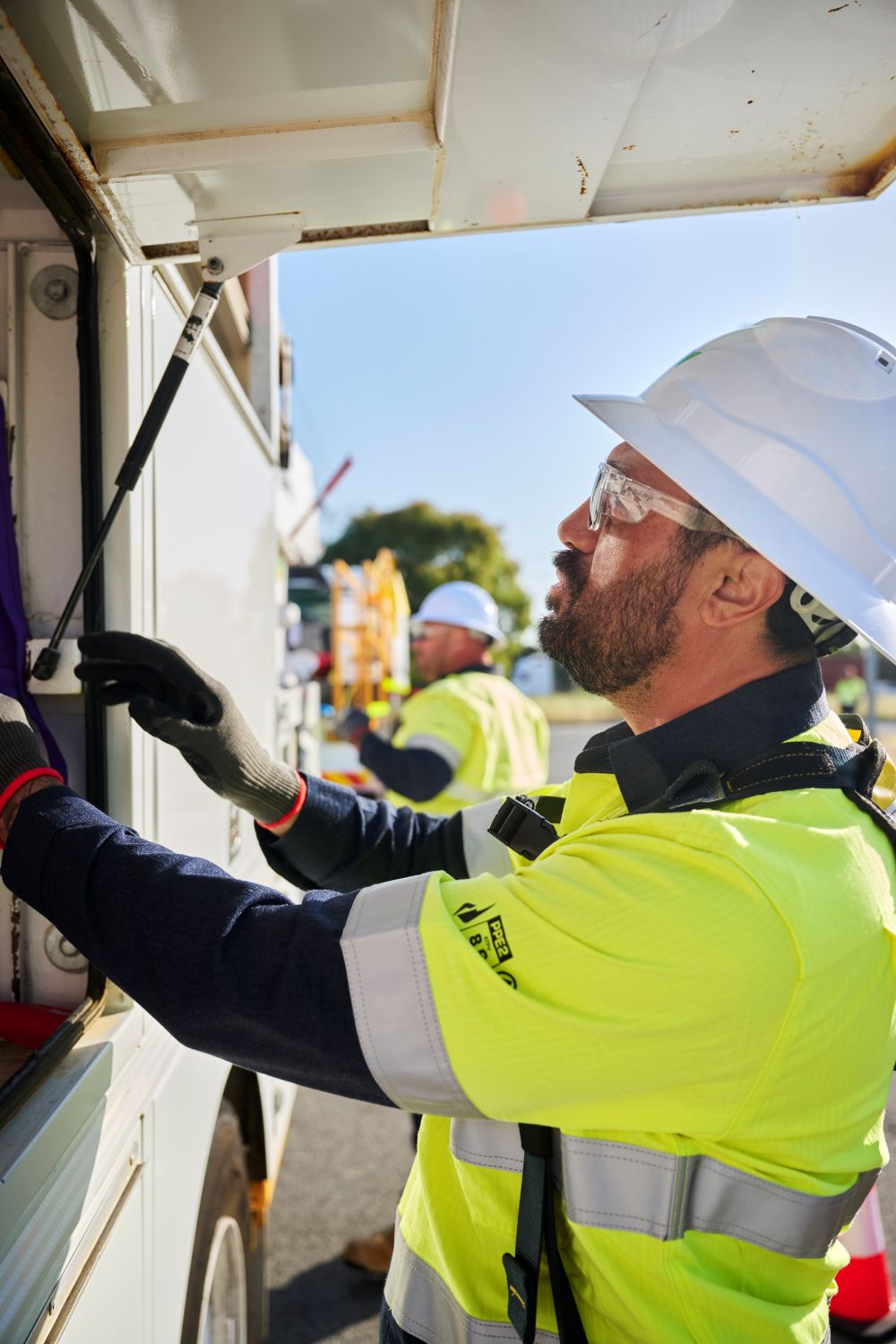
The most sustainable solution is creating more people with the right skills. Ventia continues to invest in apprenticeships, training programs and capability development across its business, helping to grow the future workforce required to support the transition.

This includes increasing opportunities for women and underrepresented groups to enter electrical trades and high-voltage careers.

"If we're serious about addressing workforce shortages, we need to think much more broadly about where talent comes from," Agathe says.

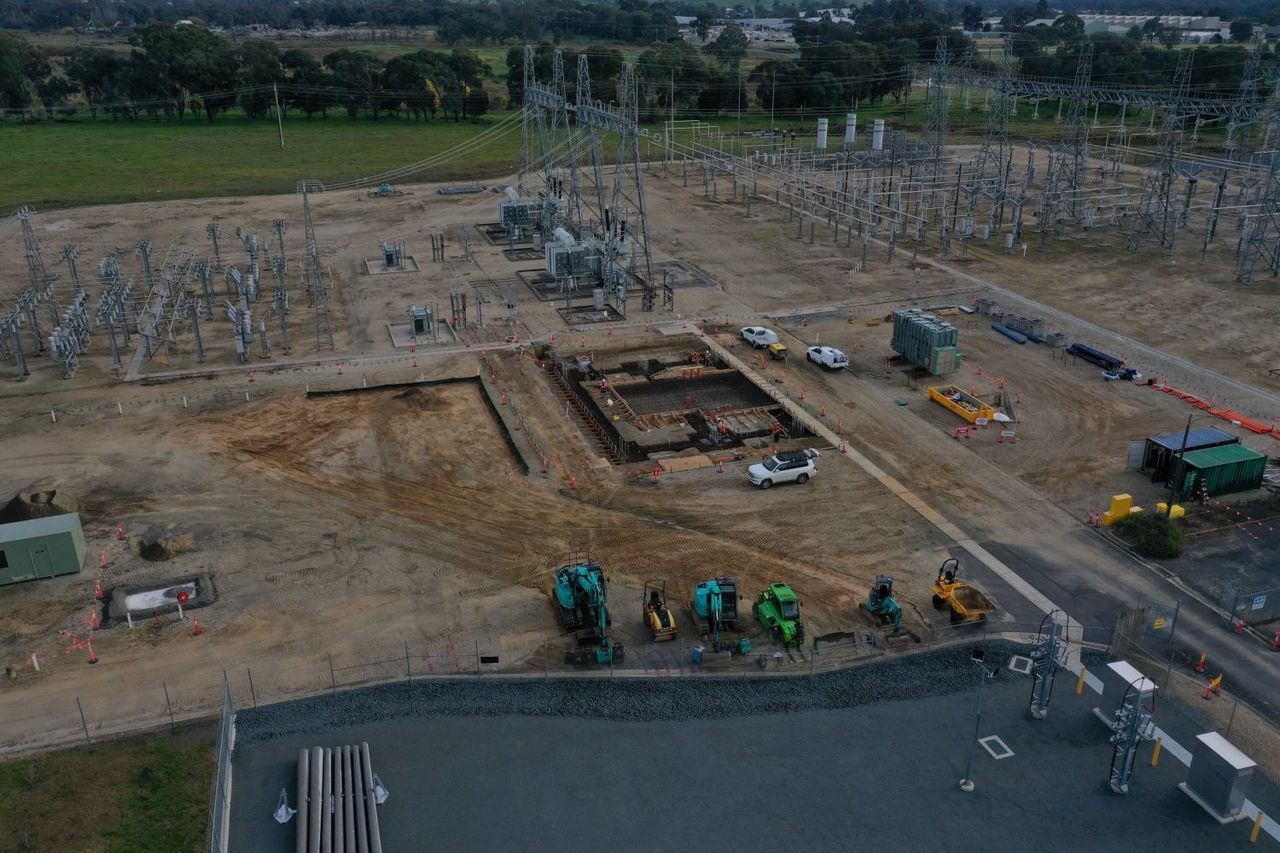
A key challenge for energy industry is delivering transmission projects at scale in regional areas.

Creating accessible pathways into our industry isn't just good for diversity. It's essential for the long-term health of the sector.

Buy: Increasing specialist capability

Strategic acquisitions can also play an important role in expanding workforce capacity and technical expertise.

Ventia's acquisition of PowerNet in 2025 strengthened its specialist substation and high-voltage capabilities at a time when demand for grid connection infrastructure continues to grow.

The integration has expanded both workforce depth and technical capability across design, construction, commissioning and maintenance.

Borrow: Looking beyond traditional talent pools

Many of the capabilities required to deliver transmission and renewable infrastructure already exist in adjacent industries. 

Workers from rail, resources, industrial maintenance, utilities and oil and gas often possess highly transferable skills that can support energy projects.

Ventia is increasingly drawing talent from these areas to help meet growing demand.

"The energy transition won't be delivered solely by people currently working in energy," Agathe says.

"There are thousands of highly skilled people across Australia and New Zealand with capabilities that can readily support this sector."

The energy transition of the future will require people from adjacent areas.

Bot: Improving productivity through technology

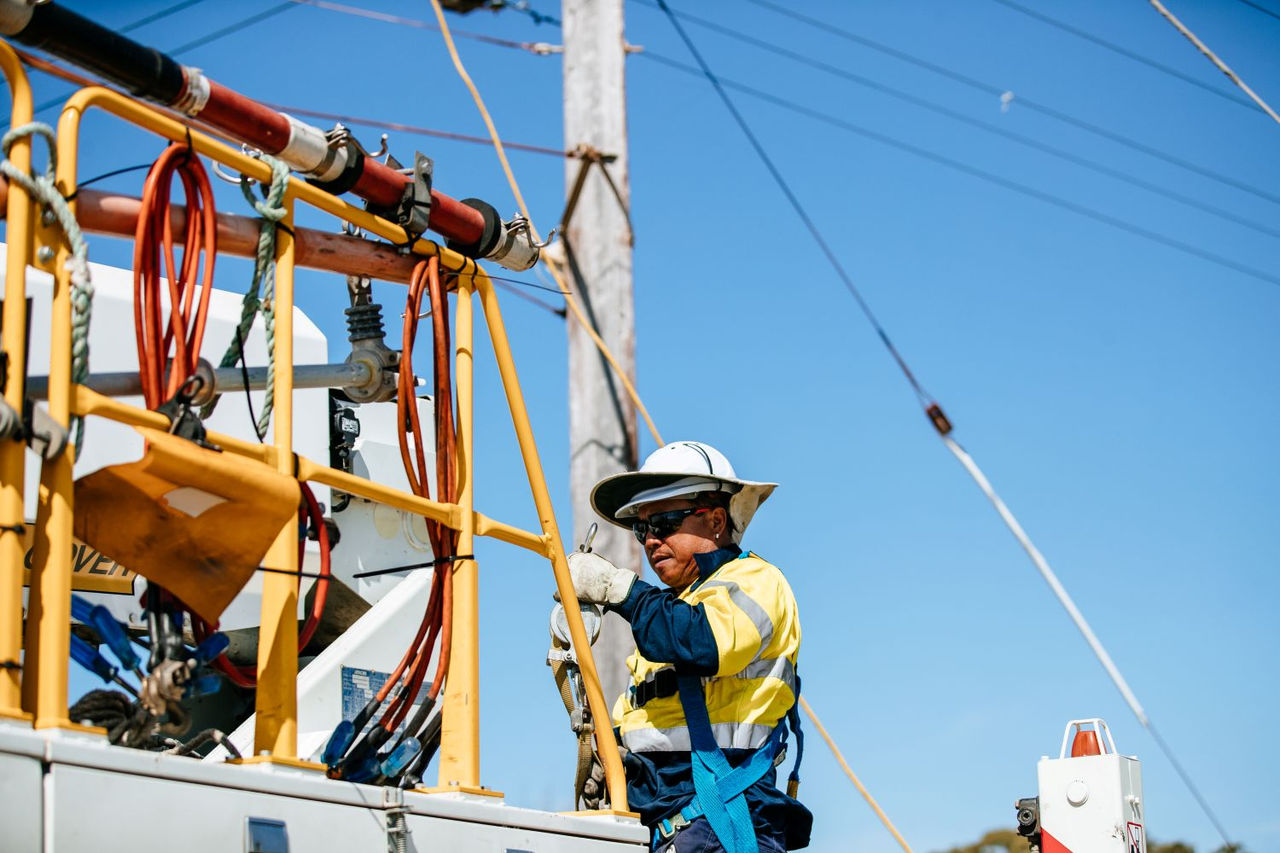
Technology also has a critical role to play. Across transmission and distribution networks, drones are already improving how inspections and asset assessments are undertaken, enhancing safety while reducing manual effort.

Looking ahead, robotics, automation and artificial intelligence will create further opportunities to improve productivity, reduce repetitive work and enable skilled people to focus on higher-value activities.

"People will always be at the centre of infrastructure delivery," Agathe says.

Technology can help us make better use of scarce resources and unlock productivity gains that benefit our customers and the broader industry.

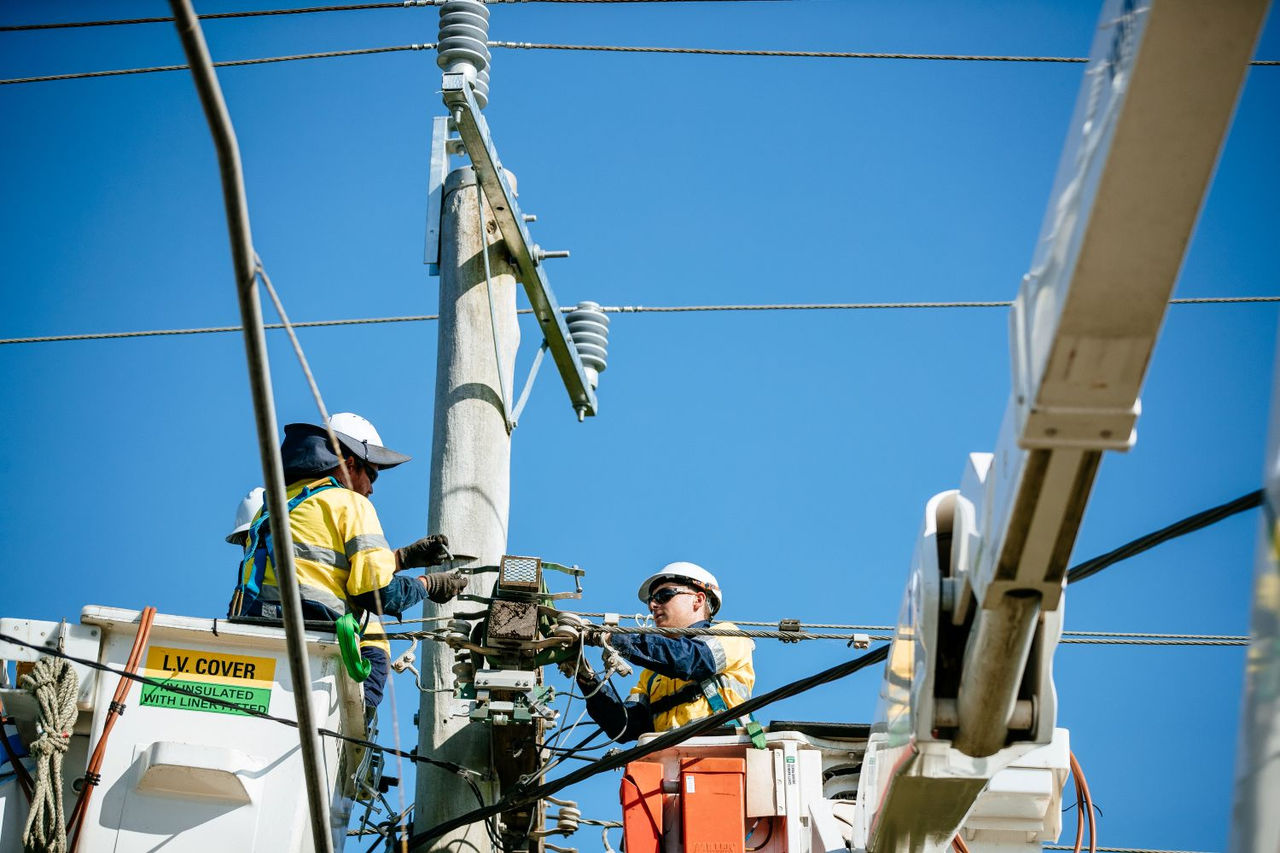
Partnerships will be key to delivering the energy transition.

Delivering the transition together

The scale of Australia and New Zealand’s energy transition and the workforce challenge means that collaboration across the industry must become the norm.

"No single organisation will solve the workforce challenge alone," Agathe says.

"It will require genuine partnerships between asset owners, developers, service providers, educators and industry bodies.”

The energy transition is not just about building infrastructure. It is about building the workforce, partnerships and delivery certainty needed to make that infrastructure a reality.


About Agathe