The Auckland Council team has been recognised for demonstrating how sustainability can be delivered as a practical, measurable and repeatable part of everyday facilities management.  

Their work shows that environmental and social outcomes can be embedded directly into live service delivery, creating real benefits for clients, communities and the environment. 

This approach was recently acknowledged when the team were awarded the Facilities Management Association of New Zealand and Environmental Impact Award at the 2026 Ngā Tohu a FMANZ Awards. The award recognised leadership, innovation and measurable impact in advancing sustainable practices.
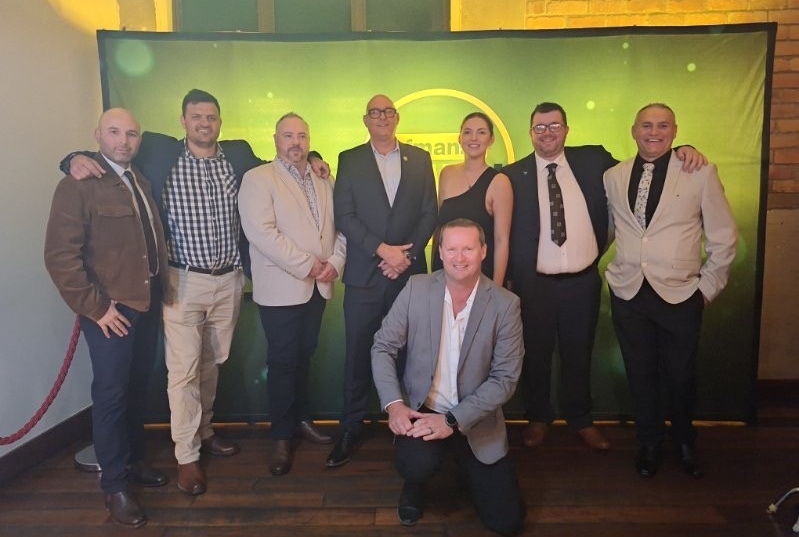
Pictured: Auckland Council contract team at the FMANZ awards.

Delivering the maintenance of parks, buildings, and community facilities across the Tahi and Wha regions for Auckland Council, the team has integrated social and environmental solutions into the delivery of the contract providing long term benefits for the council. 

Strengthening environmental outcomes with innovative solutions 

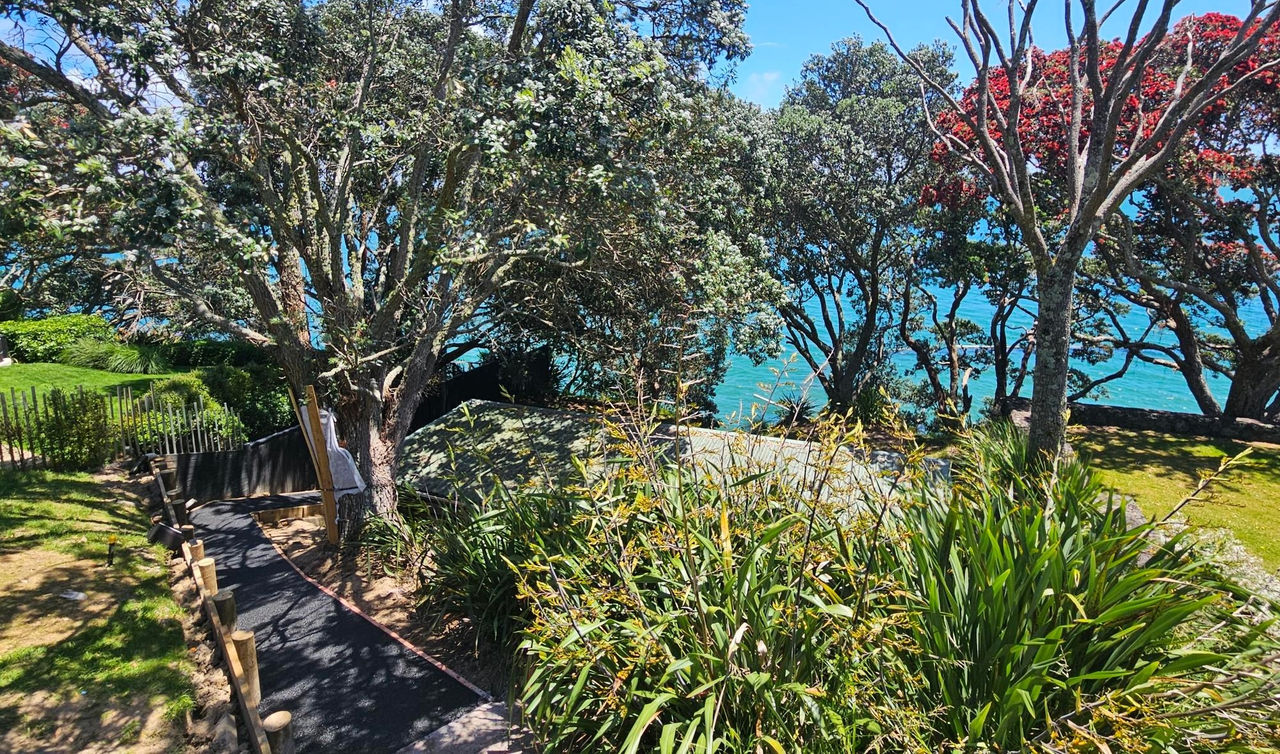
A key example is the trial and delivery of Porous Lane at Blair Park in Devonport, a permeable pavement made from recycled tyres. The team worked on a constrained site with challenging conditions, including a steep slope and proximity to a mature pōhutukawa tree.  

Rather than using traditional materials, the team led an evidence-based process to assess and implement a lower impact solution. This included: 

  • Reducing embodied carbon compared to concrete and asphalt 
  • Improving stormwater infiltration through permeable design 
  • Minimising disruption to tree root systems 
  • Reusing end-of-life tyres and supporting circular economy outcomes 
  • Delivering a safer and more durable pathway with lower maintenance needs  

The outcome demonstrates how sustainable materials can be confidently adopted in live environments when supported by rigorous testing and collaboration.  

Pictured: Recycled tyre path at Blair Park Devonport.

Strengthening social outcomes through employment pathways 

Recognising that sustainability extends beyond environmental performance, the team also focused on building stronger social foundations within their operations.  

In partnership with the Ministry of Social Development (MSD) and the Northern Jobs and Skills Hub, they redesigned their approach to workforce management by shifting away from reliance on temporary labour.  

This initiative created a structured pathway to employment for people facing barriers to work, delivering: 

  • 118 people recruited in 13 months 
  • 106 individuals supported from Job Seeker backgrounds 
  • 32 people progressing into permanent roles 
  • Improved workforce reliability and service continuity  

By embedding this model into core operations, the team has strengthened community outcomes while also improving operational performance.

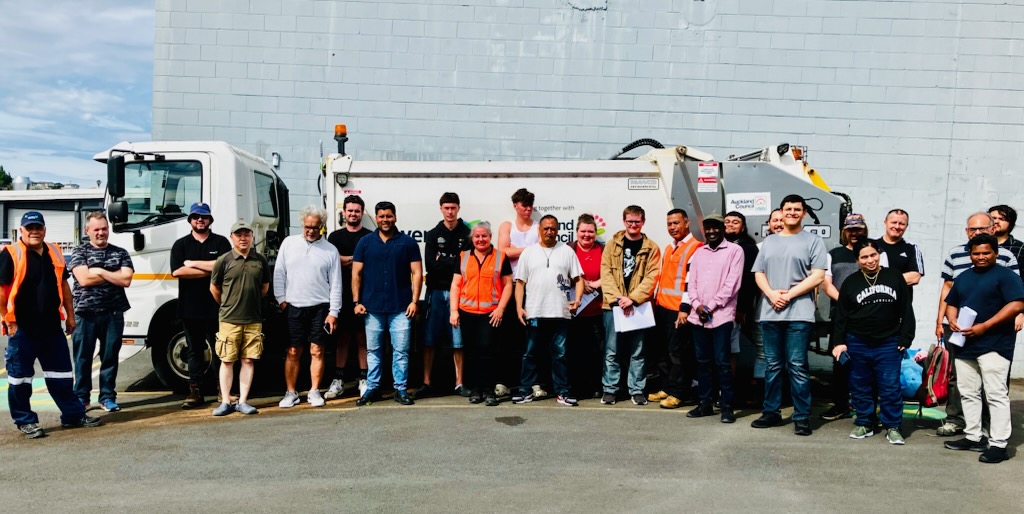
Pictured: Members of Auckland Council team.

Embedding sustainability into business as usual 

A defining feature of these initiatives is how they have been integrated into everyday business practices rather than treated as standalone programs.   

Sustainability considerations are now incorporated across: 

  • Project design and material selection 
  • Risk management and assurance processes 
  • Workforce planning and recruitment 
  • Performance measurement and reporting  

The team has taken a collaborative, transparent approach with Auckland Council and delivery partners, building shared ownership and confidence in new solutions.  

Impact is tracked through practical indicators, including waste diversion, carbon reduction, workforce stability and service reliability, supporting continuous improvement and scalability across other projects.  

Setting a benchmark for the facilities management industry 

Our approach challenges traditional views of facilities management, showing that it can deliver: 

  • Measurable environmental benefits 
  • Stronger social outcomes and community resilience 
  • Improved operational performance and cost efficiency